

MEDICAL IP Unveils First Healthcare Digital Twin Platform on NVIDIA Omniverse at GTC 2024

NVIDIA Omniverse Enters Healthcare with First Medical Digital Twin Platform
At NVIDIA's GPU Technology Conference (GTC) 2024 in San Jose, California, MEDICAL IP Co., Ltd. unveiled MEDIP, marking a significant milestone as the world's first healthcare software to leverage NVIDIA Omniverse for medical digital twin simulation. The announcement, which drew attention from 300,000 attendees, represents a convergence of AI-powered medical imaging and real-time 3D simulation technology.
Platform Architecture and Core Capabilities
MEDIP integrates NVIDIA Omniverse's real-time 3D collaboration platform with AI-powered medical image segmentation to create interactive digital twins of human anatomy. The platform processes CT and MRI scans through deep learning algorithms, automatically identifying and extracting over 100 anatomical structures including organs and lesions with one-click segmentation.
The system's architecture enables several advanced simulation capabilities:
- Real-time 3D visualization of medical images with expert-quality rendering in virtual spaces
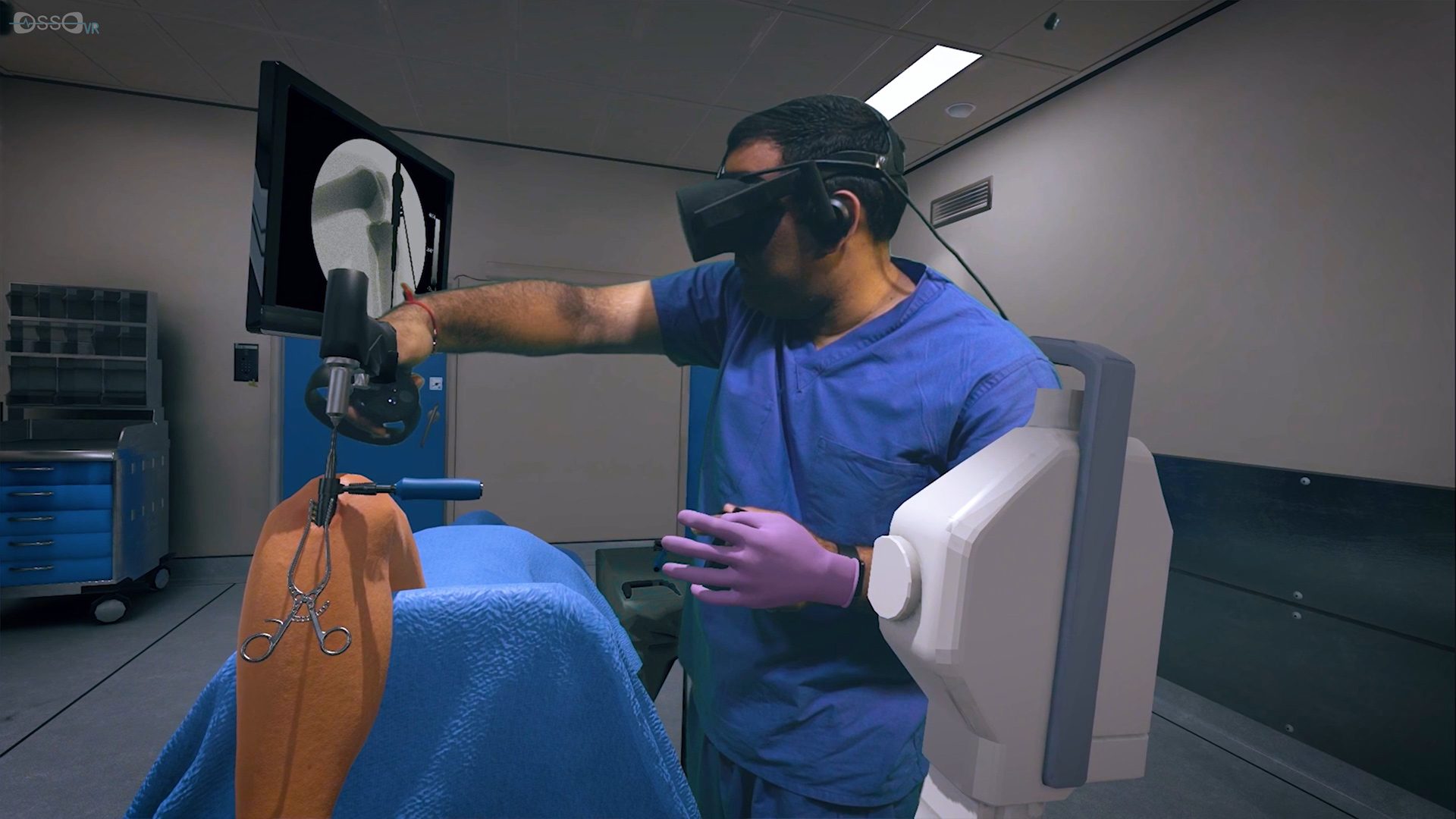
- VR surgery simulation allowing surgeons to practice procedures in immersive environments
- Blood flow dynamics analysis for cardiovascular assessment and treatment planning
- AR/VR extension of medical images for collaborative diagnosis and education
- Engineering analysis tools providing quantitative data extraction including volume and area measurements
Technical Implementation
The platform's integration with NVIDIA Omniverse leverages Universal Scene Description (USD) for interoperability, enabling multi-user collaboration in shared virtual environments. This architecture allows medical professionals to interact with patient-specific anatomical models simultaneously, regardless of physical location.
MEDIP Pro, the commercial implementation of this technology, has received regulatory clearances from the FDA (510(k)), CE Mark, MHRA, and MFDS, validating its clinical applicability. The software supports multiple file formats including DICOM, OBJ, STL, 3MF, VTK, and NII, ensuring compatibility with existing medical imaging workflows.
Industry Adoption and Applications
The platform is currently deployed at major medical institutions including Seoul National University Hospital, Samsung Medical Center, Mayo Clinic, UCLA, and Arizona State University. Applications span clinical diagnosis, surgical planning, medical education, and research.
NVIDIA CEO Jensen Huang emphasized in his GTC 2024 keynote that AI-driven 3D simulations can significantly reduce system operation errors while maximizing productivity across industries. He specifically identified healthcare as the sector where AI is expected to deliver its next major impact.
Market Context
The digital twin market is experiencing rapid growth, with Gartner forecasting expansion from $35 billion in 2024 to $379 billion by 2034. Healthcare applications represent a significant portion of this growth, driven by demand for precision medicine, personalized treatment planning, and advanced medical education tools.
MEDICAL IP's three-year collaboration with NVIDIA to implement AI and digital twin technology culminated in this first-of-its-kind Omniverse healthcare product. The work was previously recognized in a 2023 Radiology journal cover story highlighting innovations in medical imaging.
Future Implications
The platform's ability to create patient-specific digital twins opens new possibilities for precision medicine. Medical students can study individual patient anatomy in detail, while healthcare professionals can simulate treatment outcomes before procedures. The technology supports pre- and post-treatment analysis, potentially improving surgical outcomes and reducing complications.
As simulation technology continues to advance, the integration of real-time 3D platforms like Omniverse with medical imaging represents a fundamental shift in how healthcare professionals visualize, analyze, and interact with patient data. The MEDIP platform demonstrates how simulation tools traditionally used in engineering and manufacturing can be adapted to address complex challenges in biomedical applications.
For more information about MEDIP and NVIDIA Omniverse integration, visit medicalip.com or explore NVIDIA's Omniverse documentation.